























The Industry Has Changed
Defense programs are no longer measured in hundreds of units. Missiles, UAVs, attritable systems and autonomous platforms are being fielded at scales that expose a critical gap: the aerospace composites supply chain was never designed for this.
Traditional production meant hundreds of units per program lifetime, optimized for performance over throughput. Labor-intensive processes were acceptable when volumes were low. Modern defense production looks different:
- Missile production in the thousands per year
- UAV and attritable systems in the tens of thousands
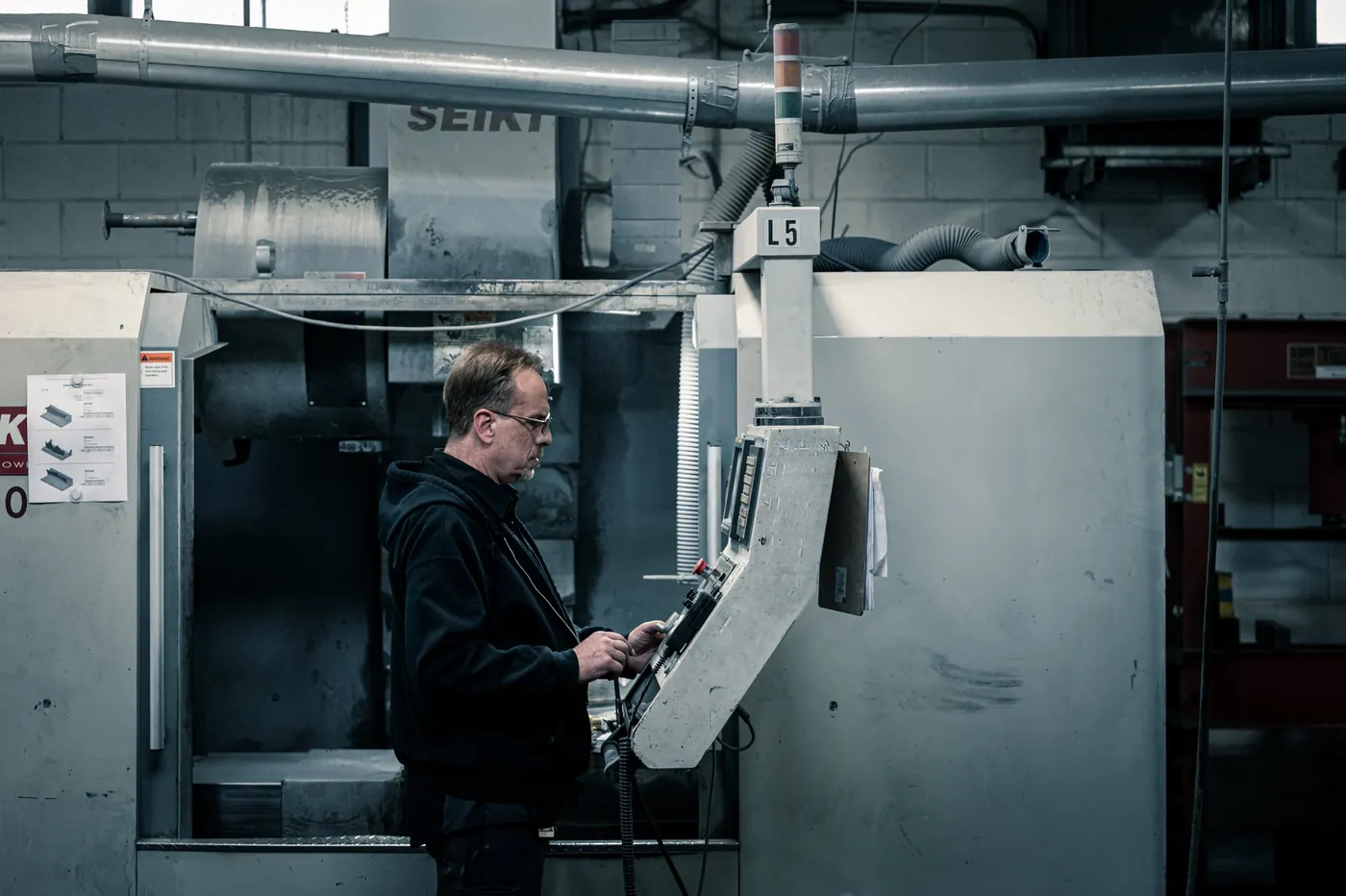
- Labor shortages driving automation urgency
- Supply chain bottlenecks limiting capacity
Traditional aerospace composites were optimized for performance. Modern defense programs demand performance and production rate.
Why Traditional Composite Manufacturing Doesn't Scale
Every dominant aerospace composite process was engineered around quality, not throughput.
| Process | Structural performance | Labor | Cycle time | Scalability |
|---|---|---|---|---|
| Hand layup + autoclave | Excellent | Very high | Hours to days | Poor |
| Vacuum infusion | Good | High | Hours | Moderate |
| RTM | Good | Moderate | Moderate | Moderate |
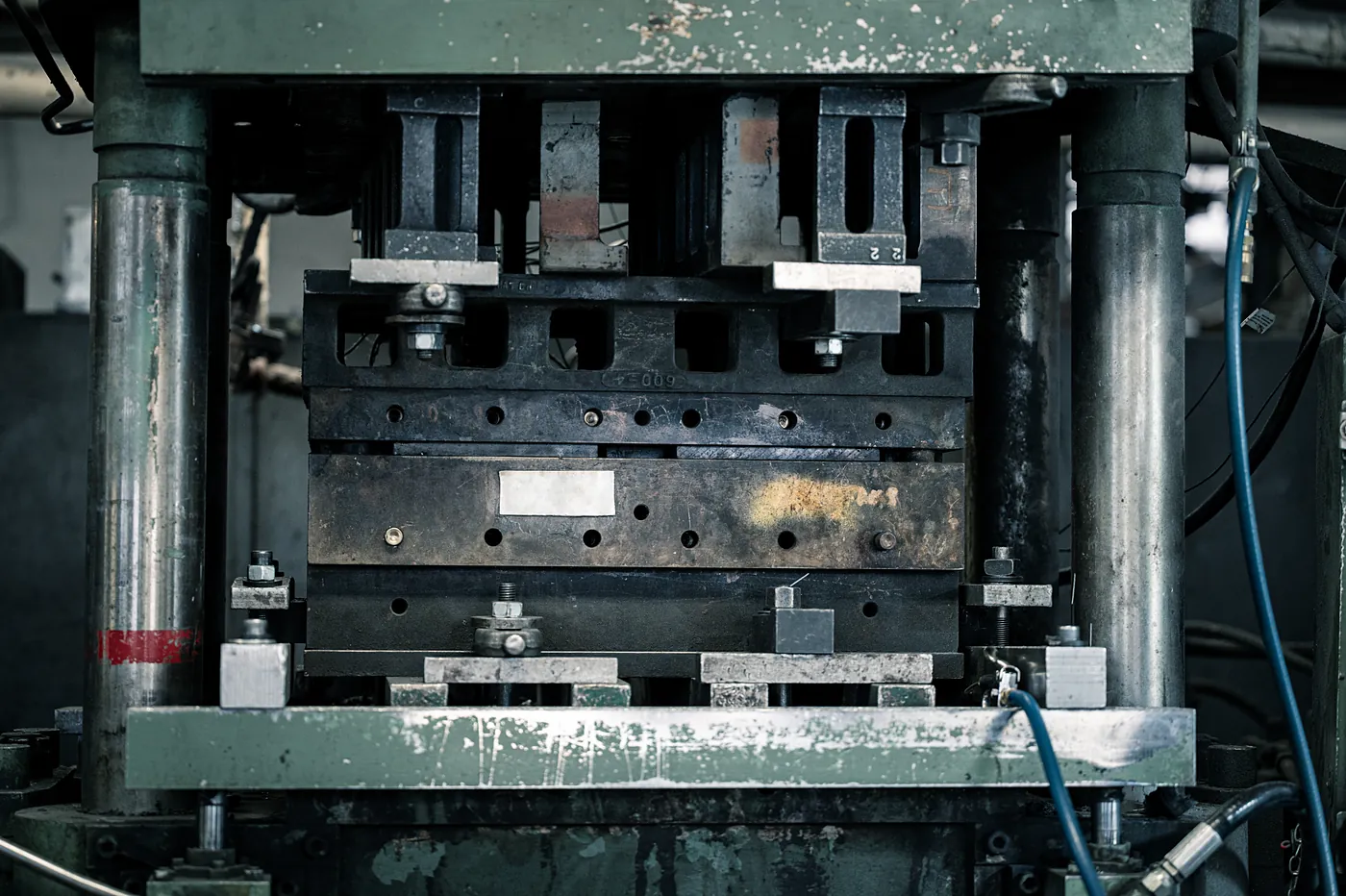
| Compression molding (co-mold) | Excellent | Low | Minutes | Excellent |
The industry needs a structural composite process designed for production from the ground up.
What Co-Molding Is
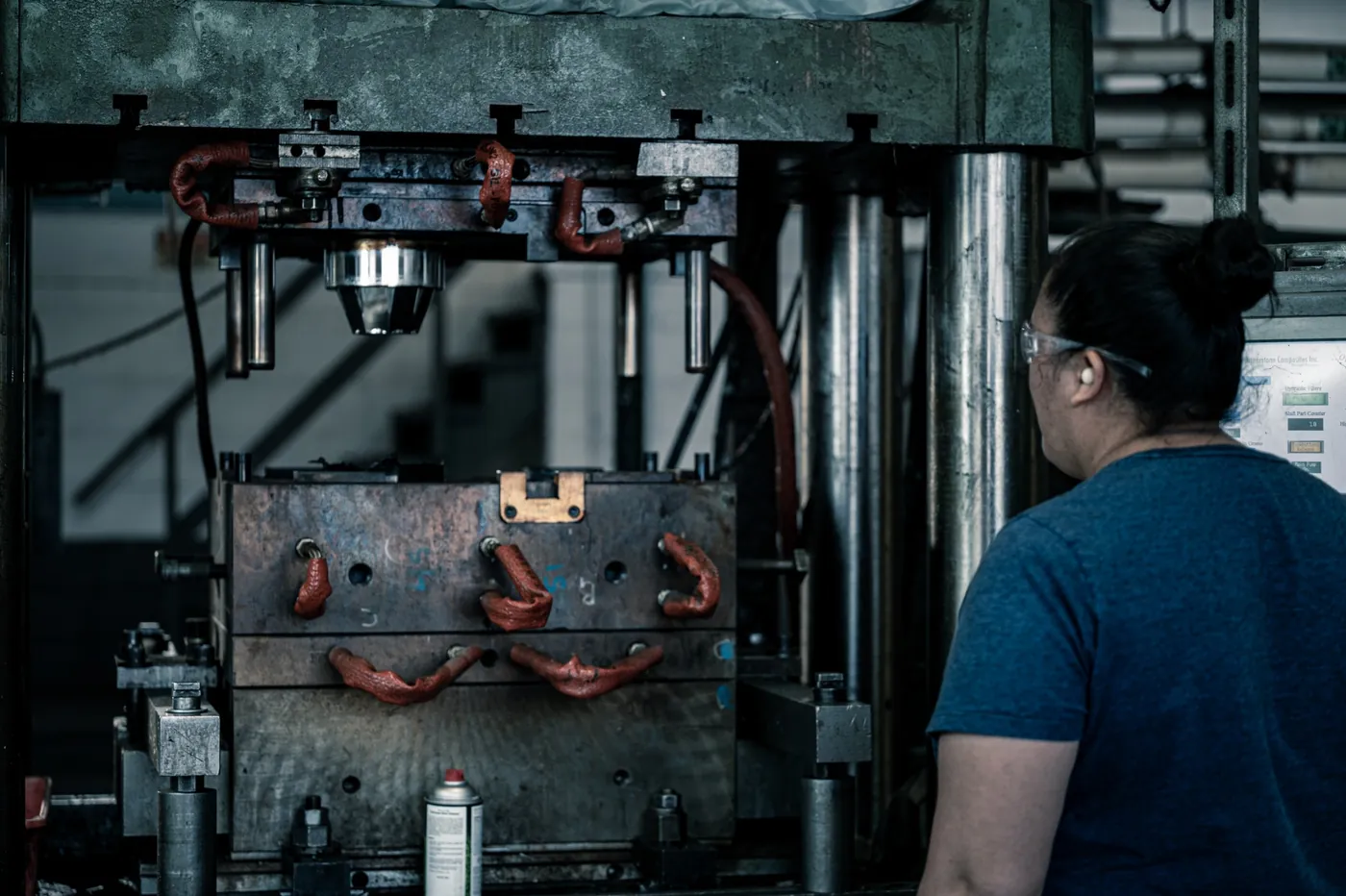
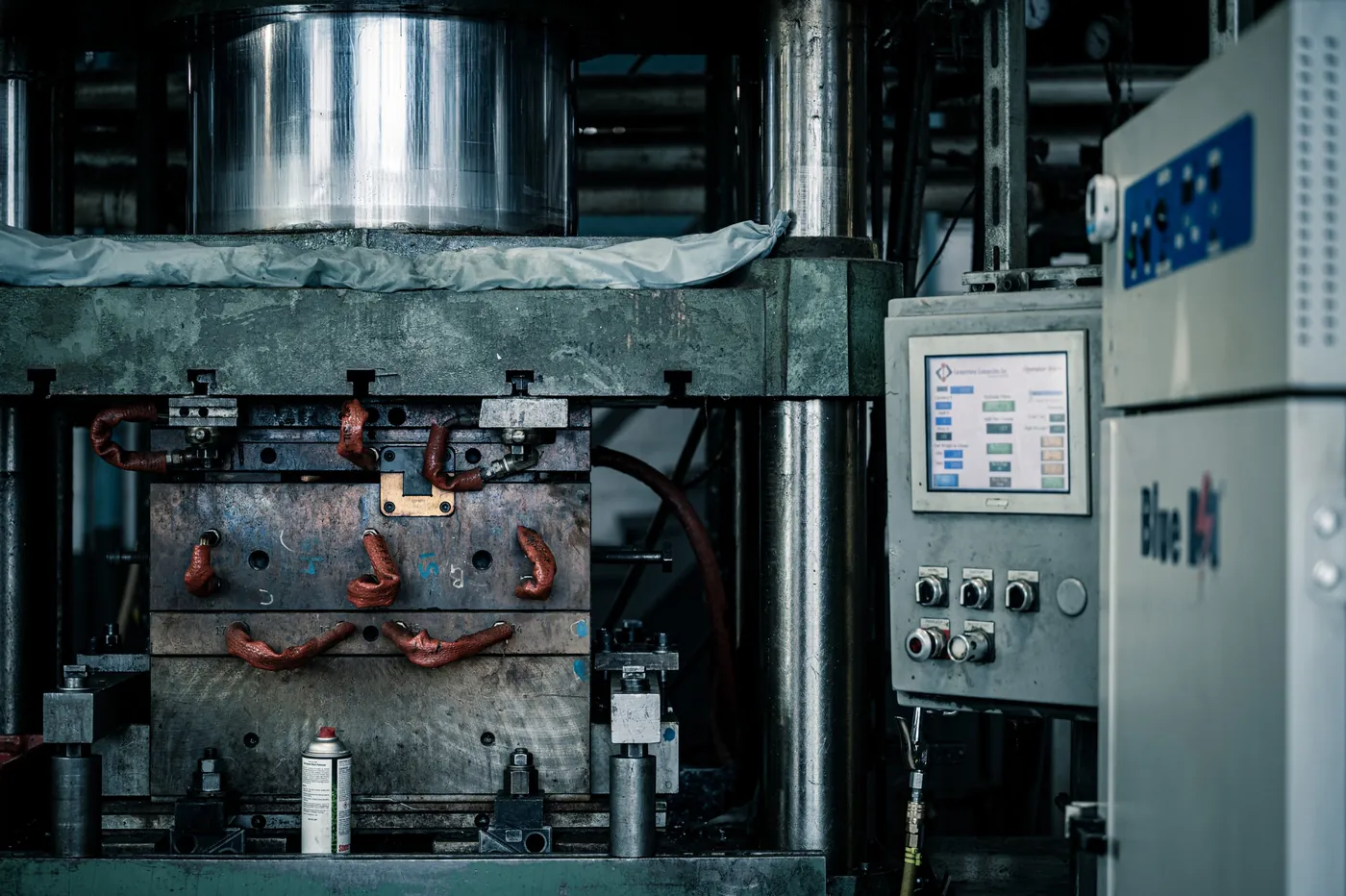
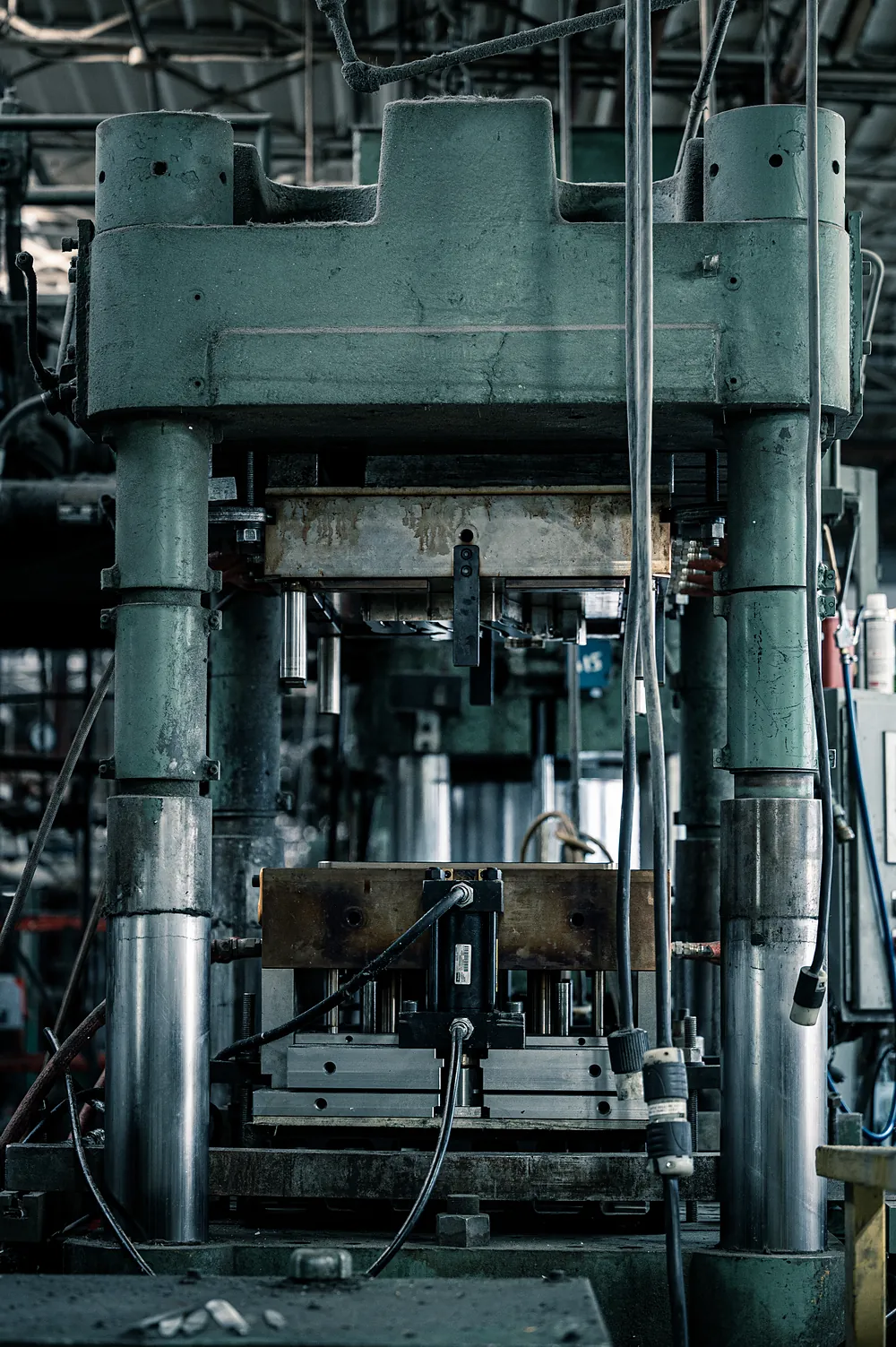
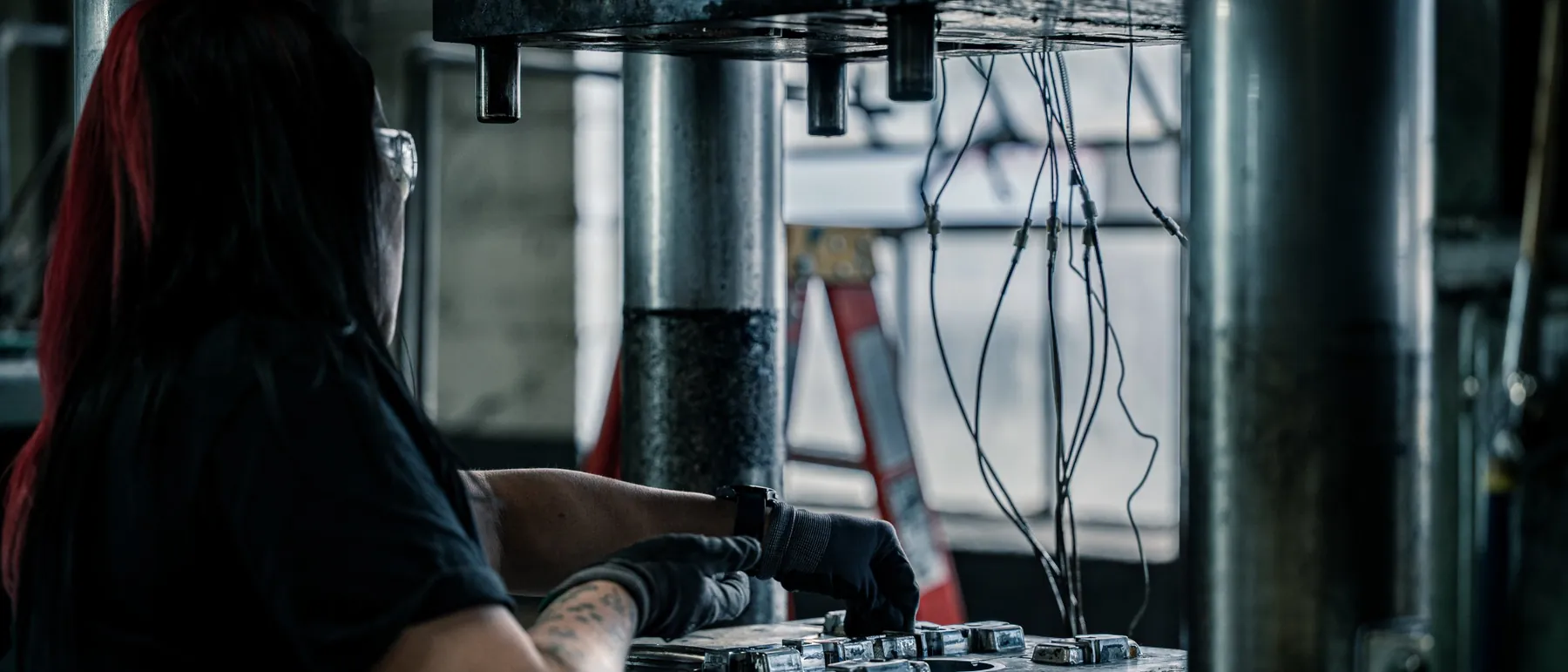
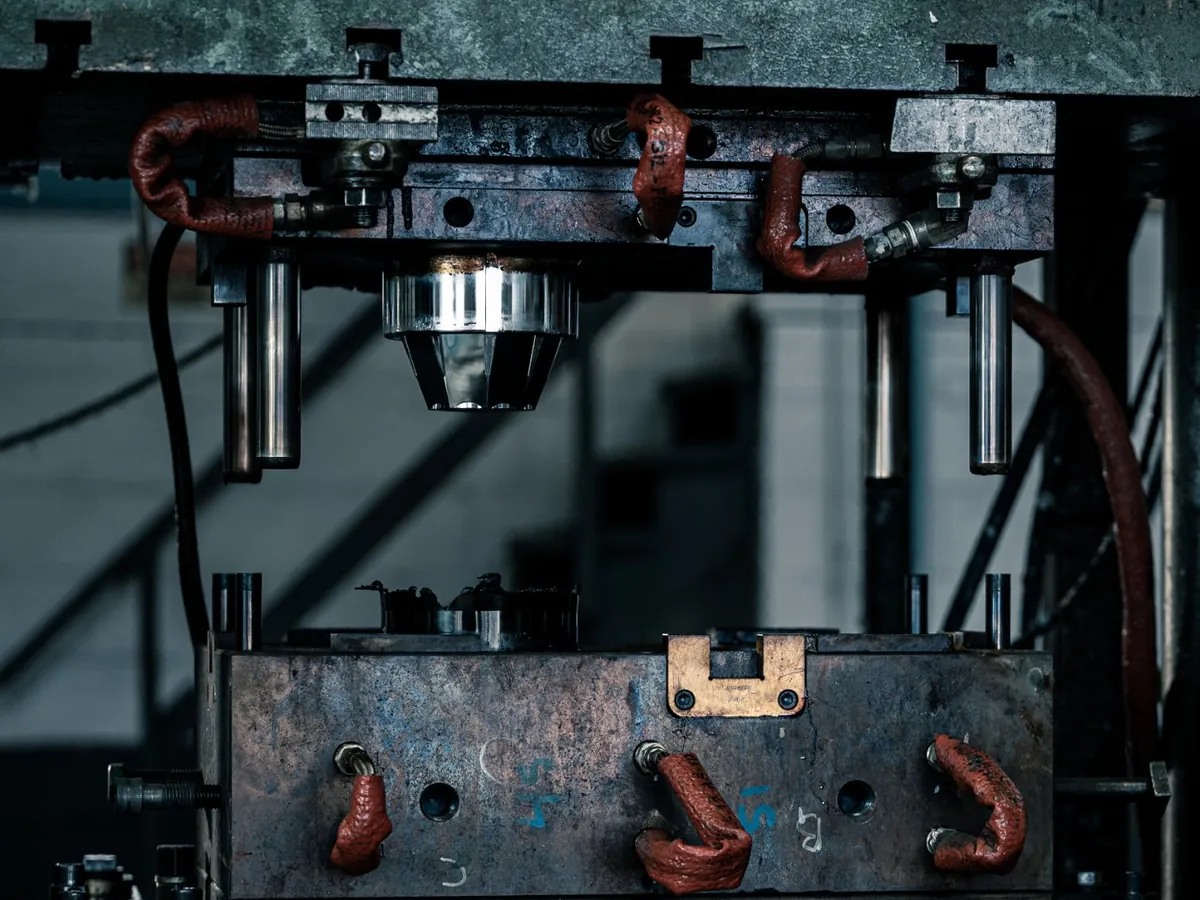
Co-molding integrates a continuous fiber stitched preform with sheet molding compound (SMC) inside a single closed-mold compression cure. Both materials share identical resin chemistry, which gives a unified bond without adhesives or secondary operations.
- Stitched preform. Continuous fiber, stitched and shaped, goes into the mold where loads will be highest.
- SMC placement. Sheet molding compound goes on top.
- Compression cure. The heated mold closes and both materials cure together.
- Net-shape part. One part comes out, with continuous fiber exactly where it is needed.
Three things follow. A single cure cycle, with no staged operations or secondary bonding. No adhesive joints, which removes interface failures, delamination risk and adhesive process variability. And reduced labor, because one operation replaces several discrete process steps.
Engineered Load Paths vs. Random Reinforcement
Fiber orientation is not incidental. It is structural intent. Standard SMC carries discontinuous, chopped fibers in random orientation, so load is distributed across the matrix and performance is limited by fiber length and alignment.
The co-molded preform places continuous reinforcement where loads are highest, replacing the statistical distribution of chopped fiber with deterministic, engineered stiffness and strength, including targeted reinforcement at stress concentrations.
The preform places reinforcement exactly where loads occur. This is not a material improvement. It is a structural engineering decision encoded into the manufacturing process.
What the Test Data Shows
In compression molding production conditions, co-molded preform + SMC reached 82,357 psi ultimate flexural strength, against 60,380 psi for SMC alone: a 36% increase. The press cycle time stays the same.
- Improved damage tolerance and fatigue resistance
- Higher structural margin under dynamic loading
- Greater energy absorption
- 355°F Tg, suited to elevated thermal environments
Lighter Parts, Lighter Systems
Weight reduction in structural components compounds across the system. In one engineering example, a 5.0 lb aluminum structural component became a 2.5 lb co-molded composite part: 50% lighter, with equivalent or superior structural performance. Across a missile or UAV, that means more range and payload, lower fuel consumption per sortie and better maneuverability.
Aluminum, at about 2.7 g/cc, is the high-volume defense standard but is limited by its specific strength. Titanium has excellent strength-to-weight, but high material cost, difficult machining and long lead times. Co-molded carbon + SMC offers specific strength that exceeds aluminum, at production-viable cycle times.
Designing for Manufacturing
Compression molding allows geometric complexity that traditional composite layup cannot achieve economically. Features that once needed secondary bonding, mechanical fastening or multi-part assemblies can be molded as a single net-shape structure: integrated ribs and stiffeners, bosses and attachment points, and minimal post-machining.
Each eliminated fastener, bond line and assembly operation is a reliability improvement, and a cost reduction that compounds across a high-rate production program.
Where Co-Molding Fits
- Missile systems: strake cores, control surfaces, body structures and fairings.
- UAV and attritable systems: wing tips, fuselage skins and structural frames.
- Radomes and housings: radome support structures, electronics housings and thermal management structures.
- Structural substructures: brackets, ribs, bulkheads and secondary structure across fixed-wing, rotary and ground vehicle programs.
Evaluate Co-Molding for Your Application
We engage at every stage, from design-for-manufacturing review and material and process qualification through production transition planning. Whether you are validating a new structural concept or preparing to ramp an existing program, send us the drawing.