Cornerstone Composites
  1. Home
  2. Materials

SMC, BMC, Phenolic and Co-Molded Composites

High-strength epoxy composites, high-temperature phenolic systems and flame, smoke and toxicity compliant materials, molded for strength-to-weight, thermal and electrical insulation, and extreme environments.

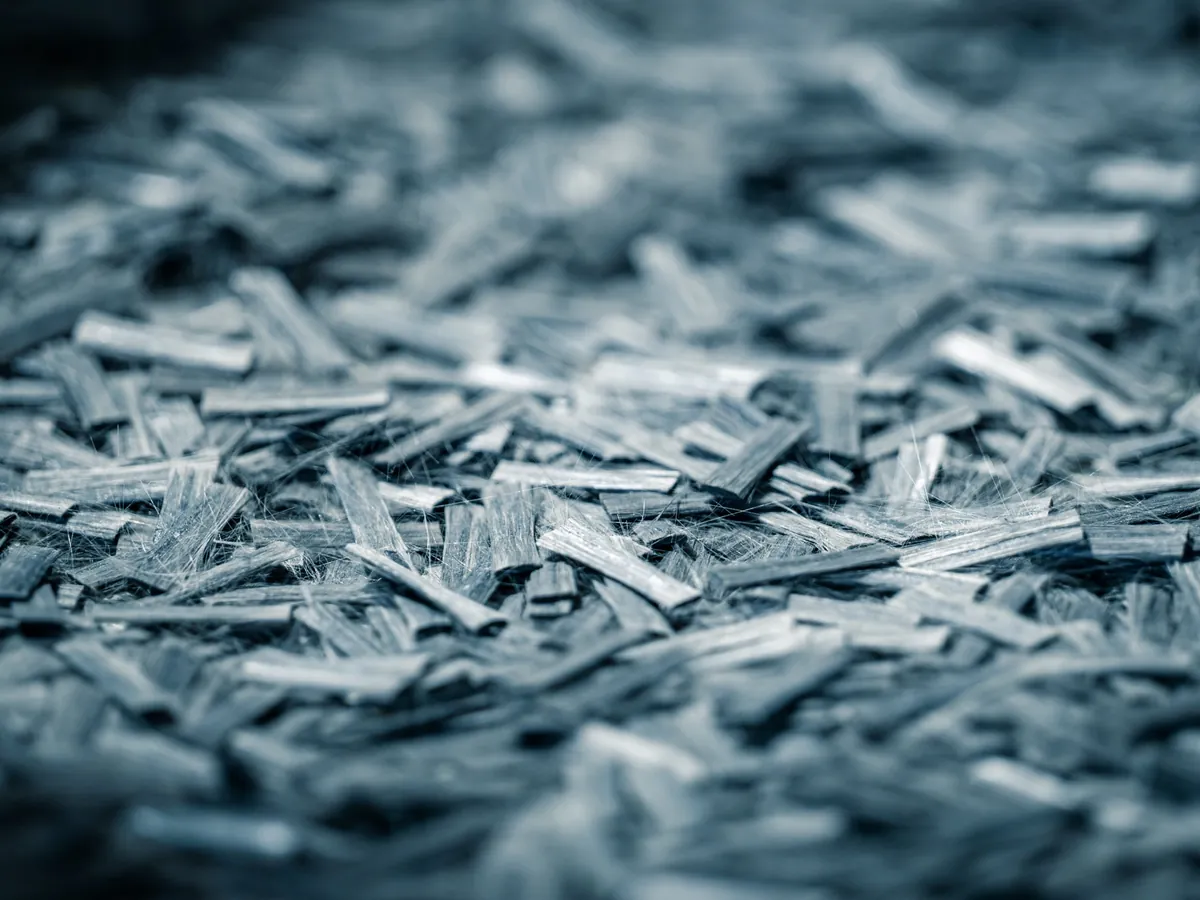
Chopped carbon fiber reinforcement before molding

Compounds, Resins and Reinforcements

SMC and BMC are the forms the material comes in. The resin system inside sets heat, fire and chemical resistance, and the reinforcement sets strength, stiffness and weight. We help you choose all three for the part.

What does the part need?

Pick a requirement to see which materials are known for it. A general guide: grades vary, and our engineers confirm the material for your part.

Compound Forms

SMC

Sheet molding compound: resin paste and chopped glass or carbon fiber, supplied as a sheet and compression molded. Longer fibers than BMC. Available in epoxy or vinyl ester resin systems.

  • High strength, low weight
  • Non-conductive
  • Corrosion and chemicals

Target products and marketsPanels, housings, covers, enclosures and structural brackets for aerospace and defense, electrical, energy and infrastructure. It is also the base for co-molding.

Trade-offsLess suited than BMC to very small, intricate features. Carbon grades conduct electricity.


BMC

Bulk molding compound: a dough-like mix of resin, filler and short chopped glass.

  • Non-conductive
  • High heat

Target products and marketsElectrical insulators, breaker and switchgear parts, connector bodies and small detailed housings with ribs, bosses and tight dimensions, for electrical, energy and defense electronics.

Trade-offsShorter fibers mean lower strength and impact resistance than SMC.

Resin Systems

Phenolic

High-temperature phenolic resin systems, filled with glass or mineral.

  • High heat
  • Flame, smoke, toxicity
  • Non-conductive

Target products and marketsThermal barriers and heat shielding, heat-exposed housings, electrical parts near heat, and interior parts that must meet flame, smoke and toxicity (FST) limits, for aerospace, defense and electrical.

Trade-offsDark colors only, and more brittle than epoxy systems.

Epoxy

High-strength epoxy systems, compression molded with glass or carbon reinforcement.

  • High strength, low weight
  • Non-conductive
  • Corrosion and chemicals

Target products and marketsStructural brackets and housings with molded-in inserts, missile and UAV structure, and electrical insulation components, for aerospace, defense and electrical.

Trade-offsHigher material cost than polyester-based compounds.

Vinyl Ester

Vinyl ester resin systems: tougher and more corrosion resistant than standard polyester, molded with glass reinforcement.

  • Corrosion and chemicals

Target products and marketsParts in wet, corrosive or chemical service: pump, valve and piping components, and housings and covers exposed to fluids or salt spray, for energy, oil and gas, water and industrial equipment.

Trade-offsCosts more than polyester, and shrinks more than epoxy as it cures, so the tooling accounts for it.

Reinforcements

Glass-Filled

Glass fiber reinforcement.

  • High strength, low weight
  • Non-conductive

Target products and marketsRadome support structures, electronics housings, electrical enclosures and insulators, for defense, aerospace, electrical and energy. Cost-effective strength that passes radar.

Trade-offsHeavier and less stiff than carbon for the same part.

Carbon-Filled

Carbon fiber reinforcement.

  • High strength, low weight

Target products and marketsUAV and missile structures, frames and stiff, lightweight brackets for aerospace and defense, where every ounce counts.

Trade-offsHigher cost, and carbon conducts electricity, so it is not used where the part must insulate or pass radar.

Long Fiber

Compounds with longer reinforcing fibers.

  • High strength, low weight

Target products and marketsBrackets, housings and impact-exposed parts that need more toughness than standard chopped compounds while still molding complex shapes.

Trade-offsFibers follow the flow in the mold, so properties vary more across the part than with continuous fiber.

Continuous Fiber Preform + SMC

A stitched continuous fiber preform, co-molded with SMC in one cure.

  • High strength, low weight

Target products and marketsMissile, UAV and airframe structure that needs aerospace-grade performance at compression molding production rates.

Trade-offsThe preform is engineered to the part's load paths, so it is set early in design.

How co-molding works

Co-Molding, in a Single Operation

Co-molding integrates a continuous fiber stitched preform with sheet molding compound inside a single closed-mold compression cure. Both materials share the same resin chemistry, so they bond without adhesives or secondary operations.

Cross-section of a compression mold: a stitched preform and an SMC charge cure together into one net-shape part Continuous fiber preform SMC charge Heat andpressure Net-shape part

Single Cure Cycle

Preform and SMC co-cure at the same time. No staged operations or secondary bonding.

No Adhesive Joints

Eliminates interface failures, delamination risk and adhesive process variability.

Reduced Labor

One operation replaces several discrete process steps, cutting touch labor per part.

Standard SMC Only

  • Discontinuous, chopped fibers
  • Random fiber orientation
  • Load carried across the matrix
  • Performance limited by fiber length and alignment

Co-Molded Preform + SMC

  • Continuous fiber reinforcement
  • Engineered load path alignment
  • Targeted reinforcement at stress concentrations
  • Measurably higher stiffness, strength and fatigue life

Proven in Production Conditions

Test data from compression molding production conditions. The gain comes without giving up production rate: the press cycle time stays the same.

Ultimate Flexural Strength, psi

  • Improved damage tolerance and fatigue resistance
  • Higher structural margin under dynamic loading
  • Greater energy absorption
  • 355°F Tg, suited to elevated thermal environments

Engineering Example

50%

lighter than the aluminum part it replaces, with equivalent or superior structural performance

Aluminum structural component
5.0 lb
Co-molded composite equivalent
2.5 lb

Lower weight compounds across the system: more range and payload, less fuel per sortie, better maneuverability.

Aluminum

Density about 2.7 g/cc. The high-volume defense standard, limited by its specific strength ceiling.

Titanium

Excellent strength-to-weight, but high material cost, difficult to machine and long lead times.

Co-Molded Carbon + SMC

Specific strength that exceeds aluminum, production-viable cycle times, and net-shape molding that reduces machining.

Built for High-Rate Programs

Structural performance, weight efficiency and production rate make co-molded preform + SMC a natural fit for the programs driving the next generation of defense manufacturing demand.

Missile Systems

Strake cores, control surfaces, body structures and fairings, at rates aligned with modern missile ramp requirements.

UAV and Attritable Systems

Wing tips, fuselage skins and structural frames for platforms where affordability and rate are mission-critical.

Radomes and Housings

Radome support structures, electronics housings and thermal management structures with integrated features and tight tolerances.

Structural Substructures

Brackets, ribs, bulkheads and secondary structure across fixed-wing, rotary and ground vehicle programs.

Energy and Infrastructure

Oil and gas parts for downhole applications that survive harsh environments, perform reliably and mill out easily, insulated concrete wall connectors, manhole covers and high-voltage components.

An MQ-9 Reaper in a hangar with a large American flag behind it

Production Rate Changes Everything

Defense programs are no longer measured in hundreds of units. Traditional aerospace composites were optimized for performance. Modern programs need performance and production rate.

Approximate Parts per Day, by Process

At 1,000 units per year, a 10x throughput advantage over hand layup means fewer presses, fewer operators, a smaller facility footprint and lower recurring cost per unit.

Automation Ready

Compression molding works with robotic charge placement and automated demolding. Hand layup does not.

Process Repeatability

Closed-mold compression delivers tighter dimensional tolerances and higher part-to-part consistency than open-mold processes.

Every dominant aerospace composite process was engineered around quality, not throughput.
ProcessStructural performanceLabor intensityCycle timeScalability
Hand layup + autoclaveExcellentVery highHours to daysPoor
Vacuum infusionGoodHighHoursModerate
Resin transfer molding (RTM)GoodModerateModerateModerate
Compression molding (co-mold)ExcellentLowMinutesExcellent
Rows of identical black molded thermoset parts

Questions Engineers Ask First

Do you make parts for defense and aerospace?
Yes. We have experience supporting DoD primes and high-reliability programs. We are certified to ISO 9001:2015 and AS9100D, ITAR registered, and CMMC Level 1 compliant with Level 2 in process.
What is co-molding?
A continuous fiber stitched preform and sheet molding compound cure together in one closed-mold compression cycle. They share the same resin chemistry, so the part needs no adhesive and no secondary bonding. Read the full explainer
SMC or BMC?
SMC carries longer fibers and suits larger, thinner and stronger parts. BMC flows into small, detailed features and holds tight dimensions. Our engineers recommend one once they know what the part has to do.
When should I choose a thermoset over metal?
When the design calls for one or more of these:
  • High stiffness and high strength for the weight
  • Dimensional stability and low creep at elevated temperatures
  • Electrical insulation
  • Chemical and corrosion resistance
  • Lower cost than die cast metals, with longer tool life
What if a thermoset isn't right for my part?
We'll tell you. Our first priority is helping you find the right material for your project, even if that doesn't turn out to be ours.

Typical Grades

Glass-filled BMC and SMC at typical published values. We tune the chemistry to the part.

Typical values for BMC and SMC compounds. Heat deflection temperature measured at 264 psi.
MaterialDensity
(g/cc)
Tensile strength
(psi)
Flexural modulus
(psi)
Impact
(ft-lb/in)
Heat deflection
@ 264 psi
Shrink rate
(in/in)
Quote
Polyester BMC15% glass1.7 to 2.08,0001.4MM3 to 6450°F0.0005 to 0.003
High Perf. BMC25% glass1.7 to 2.014,0001.8MM6 to 12500°F0.0005 to 0.003
Polyester SMC20% glass1.7 to 1.811,0001.7MM10 to 13500°F0.001
High Perf. SMC50% glass1.6 to 1.720,0002.0MM20 to 30500°F0.001
High Perf. SMC65% glass1.950,0003.0MM30 to 40500°F0.0 to 0.001

Not Sure Which Material?

Send the drawing and what the part has to survive. Our engineers will recommend a material and a process.

Request a quote Call